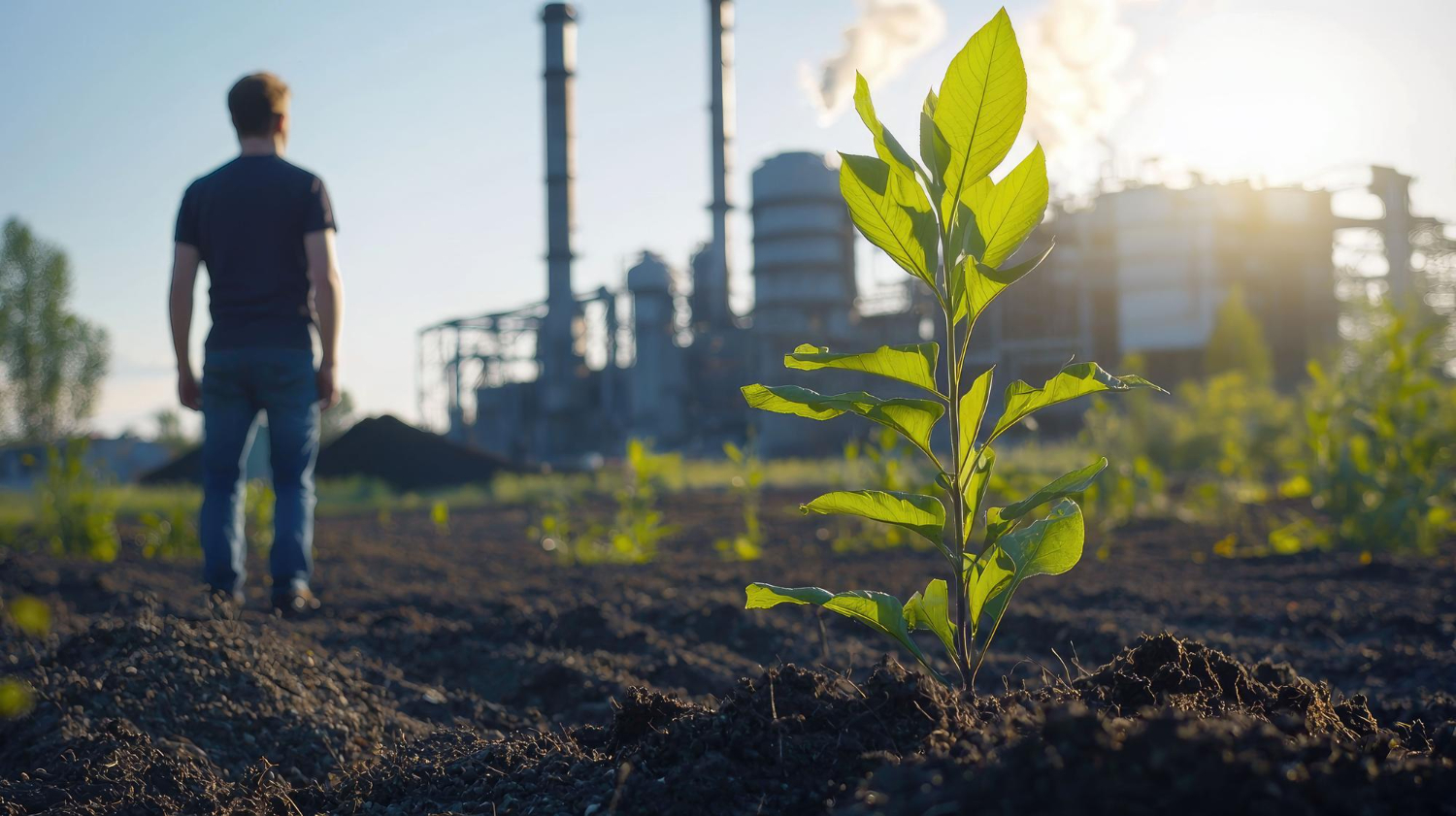
As rising temperatures generate more extreme heat events in regions around the world, the term “urban heat island” is becoming more widely known. But what are they and why are they important?
“Urban heat islands” are metropolitan areas that are significantly warmer than their rural surroundings due to buildings, paved areas, and human activities such as car use.
As a result, heat waves, such as the one currently affecting Europe, are intensifying in urban areas, where half of the world’s population already live. And that figure is expected to reach almost 70% by 2050.
This so-called urban heat island effect can raise temperatures by 10 to 15 degrees Celsius, exposing residents to extreme heat conditions.
Concrete and asphalt accumulate heat.
What causes urban heat islands? Rural areas are usually covered with grass, crops, or forests, which help cool the air, while dark concrete and asphalt in cities absorb heat.
Plants function as nature’s air conditioning, absorbing water from the soil through their roots and releasing it into the air as vapor. Hard, impermeable surfaces such as sidewalks, parking lots, and roads prevent water from seeping in and therefore cannot provide the same cooling effect.
Tall buildings and narrow streets can heat up the air trapped between them. These “urban canyons” can block the natural flow of wind that would otherwise help cool the area. And pollution from cars or burning fossil fuels can act like a small greenhouse layer over a city, trapping warm air.
Extension of hot hours
Heat islands tend to form throughout the day, as sidewalks and rooftops emit more solar heat, reaching their peak between three and five hours after sunset.
From sunrise to sunset, these surfaces are exposed to intense solar radiation and absorb heat through many layers. This stored heat is slowly released after sunset.
Larger cities tend to store more heat than smaller ones.
The urban centers of London and Paris tend to record nighttime temperatures around 4 degrees Celsius higher than the surrounding rural areas.
Global temperature increase
The heat island effect is worsened by global warming. 2024 was the hottest year on record, with temperatures approximately 1.55 degrees Celsius above pre-industrial levels.
Current policies are expected to cause this increase to continue to 2.7 degrees Celsius by the end of the century. This is due to the burning of fossil fuels that heat the planet and release greenhouse gas emissions into the atmosphere.
In turn, these heat islands could also be driving climate change, as demand for air conditioning powered by coal, oil, and gas power plants increases during heat waves.
Greener cities to lower temperaturas
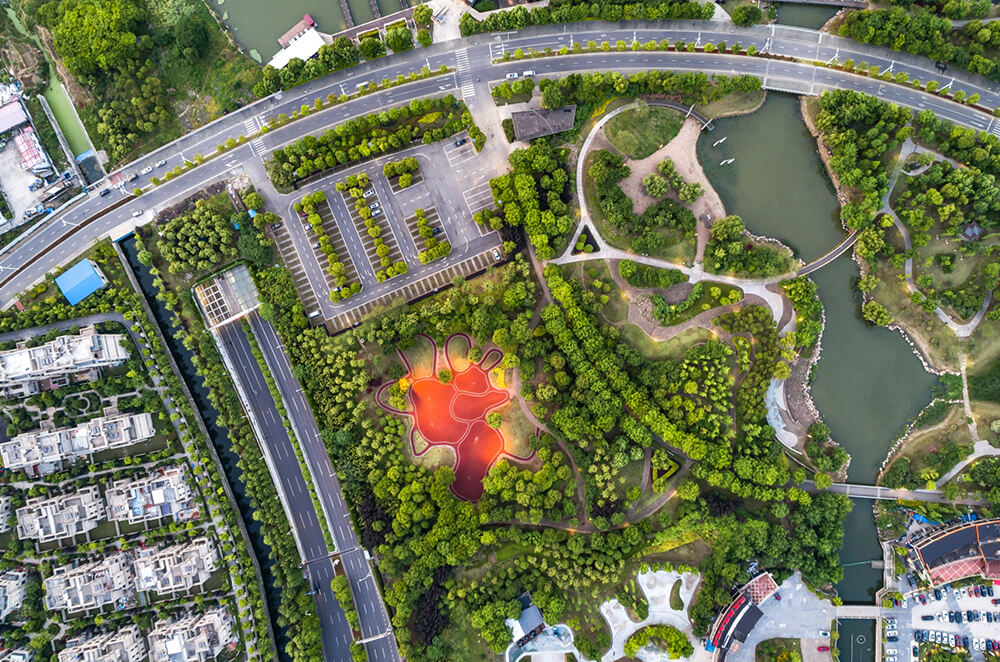
Are there solutions for cooling cities? Yes. These include incorporating more trees, shrubs, and other drought-resistant vegetation into urban centers, as well as fountains and ponds, and “green roofs” or “cool roofs” that absorb and transfer less heat from the sun to the building.
These cool roofs reflect more sunlight than a conventional surface and therefore heat up less. White roofs stay cooler and can reflect between 60% and 90% of sunlight, but other reflective surfaces are also an option.
Green cities, white roofs
Cities such as New York began painting their roofs white in 2009 to help reduce the heat island effect. Cooler roofs can also reduce the internal temperature of buildings by up to 30% and decrease air pollution and greenhouse gas emissions by reducing the energy demand for cooling.
At ground level, some countries spray water on sidewalks to cool them down. In Japan, this is a centuries-old traditional practice called “uchimizu.” Others are combining residential, commercial, and recreational spaces or installing “cool pavements” that use permeable materials to reflect more solar radiation and improve water evaporation.
Megacities such as Los Angeles and Tokyo have implemented this type of cool pavement. A study in one of the hottest neighborhoods in Los Angeles found that a reflective pavement coating could reduce the heat island effect.
To date, Tokyo City Council has installed around two hundred kilometers of this type of sidewalk, prioritizing areas in the city center. The small city-state of Singapore, meanwhile, has become one of the greenest cities in the world. It has more than 40% green coverage, with space set aside for nature reserves, parks, gardens, and vegetation.
By 2030, the city plans to offer every citizen access to a park within a ten-minute walk. Singapore also strictly limits the number of vehicles on its roads through an expensive bidding system with a largest quota for the number of vehicles that can be registered.
SOURCE: DW