The global plastic pollution crisis has gone from being a peripheral environmental concern to a systemic challenge that threatens the stability of marine ecosystems, human health, and the economic viability of global supply chains. Despite concerted efforts over the past decades to promote recycling, current statistics reveal a structurally deficient reality: only 9% of all plastic produced worldwide undergoes effective recycling processes. The remaining 91% is alarmingly distributed between incineration (12%), controlled landfills (50%), and, in its most harmful form, direct leakage into the natural environment through open dumps, unregulated burning, or ocean dumping (22%).
This inefficiency is not simply a logistical failure, but an inherent limitation of the prevailing mechanical recycling model. Physical recycling, which relies on melting and shredding polymers, inevitably degrades material quality with each processing cycle. Eventually, these polymers fragment into microplastics that saturate the oceans and infiltrate the food chain. Given this scenario, the emergence of chemical depolymerization technologies, led by innovators such as DePoly, and the transition to biological and compostable materials, such as those developed by Molpack, represent a necessary change in basic assumptions away from the linear “take-make-dispose” economy and toward true circularity.
The State of the Crisis: Statistics and Projections to 2025
By 2025, the amount of plastic accumulated in the world’s oceans is estimated to be between 75 and 199 million tons. This massive accumulation is fueled by the annual influx of 8 to 14 million metric tons of more plastic waste. Global primary plastic production shows no signs of slowing down; it is projected to increase from 450 million tons in 2025 to 680 million by 2040 under a “business as usual” (BAU) scenario.
The disparity between waste production and waste management capacity is one of the most critical factors. While production will grow by more than 50% over the next two decades, infrastructure capacity to manage this waste will only expand by 26% over the same period. Currently, an estimated 1.5 billion people lack basic waste collection services, a figure that could triple by 2040 if radical interventions are not implemented.
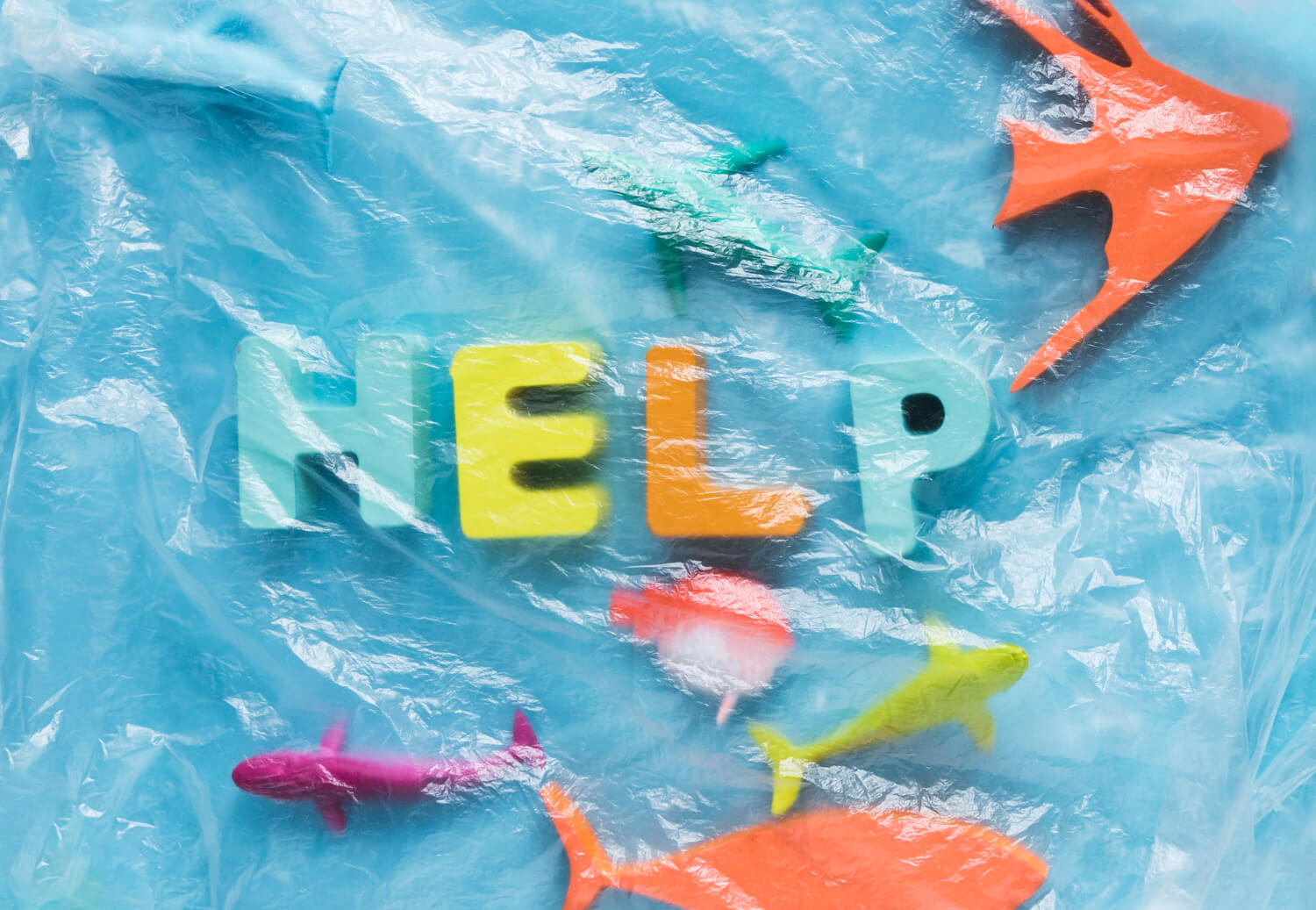
The biological impact is equally devastating. It is estimated that plastic causes the death of 100 million marine animals each year, affecting species ranging from sea turtles to whales and birds. In the Pacific, 75% of sea turtles have ingested in plastic debris, and it is estimated that by 2050 the total weight of plastic in the ocean will exceed that of all fish if current trends are not reversed.
Critical Limitations of Traditional Mechanical Recycling
Conventional mechanical recycling, which has been the mainstay of waste management for decades, has three fundamental weaknesses that prevent total circularity. First, the degradation of the polymer chain during the thermal melting process reduces the mechanical properties of the material, limiting its reuse to a finite number of cycles. Second, this method requires extreme purity: waste must be meticulously cleaned and sorted by polymer type and color. The presence of organic contaminants, labels, adhesives, or tiny amounts of other plastics (such as PVC in a PET stream) can ruin entire batches.
Thirdly, mechanical recycling is inefficient for complex products such as multilayer packaging, mixed polyester textiles, or dirty industrial plastics. These economic and technical limitations often make it six times more expensive to recycle PET than to produce virgin material from virgin hydrocarbons, discouraging adoption by industry.
Molpack and Material Replacement: The Power of Molded Pulp
While chemical depolymerization solves the problem of existing plastics, preventing new waste requires a transition to materials that are inherently sustainable. Molpack Corporation has positioned itself as the leader in the Americas in the development of molded pulp packaging solutions, a material made from recycled plant fibers that offers a robust and biocompostable alternative to single-use plastics.
With more than five decades of experience, Molpack processes more than 97,000 tons of recycled raw materials (paper and cardboard) annually to produce 92,000 tons of eco-friendly packaging. Its products are more than 95% eco-friendly and are designed according to the principles of the circular economy, ensuring that, at the end of their useful life, they can be reintegrated into the natural cycle without generating microplastics or toxic waste.
Regional Infrastructure and Quality Certifications
Molpack operates seven manufacturing facilities strategically found throughout Latin America, including plants in Guatemala (GUAMOLSA) and Colombia (COMOLSA), enabling it to serve more than 380 customers in the region and reach 40 million households. This regional presence not only improves planning but also significantly reduces the carbon footprint associated with packaging supply.
The company’s operational excellence is backed by critical international certifications:
- ISO 9001: Ensures that manufacturing processes meet the highest standards of quality and continuous improvement.
- FSC (Forest Stewardship Council): Certifies that raw materials come from responsible sources, contributing to the conservation of biodiversity and forests.
Multisectoral Applications for Molpack Packaging
The versatility of molded pulp allows Molpack to make an impact on various industries with specific solutions:
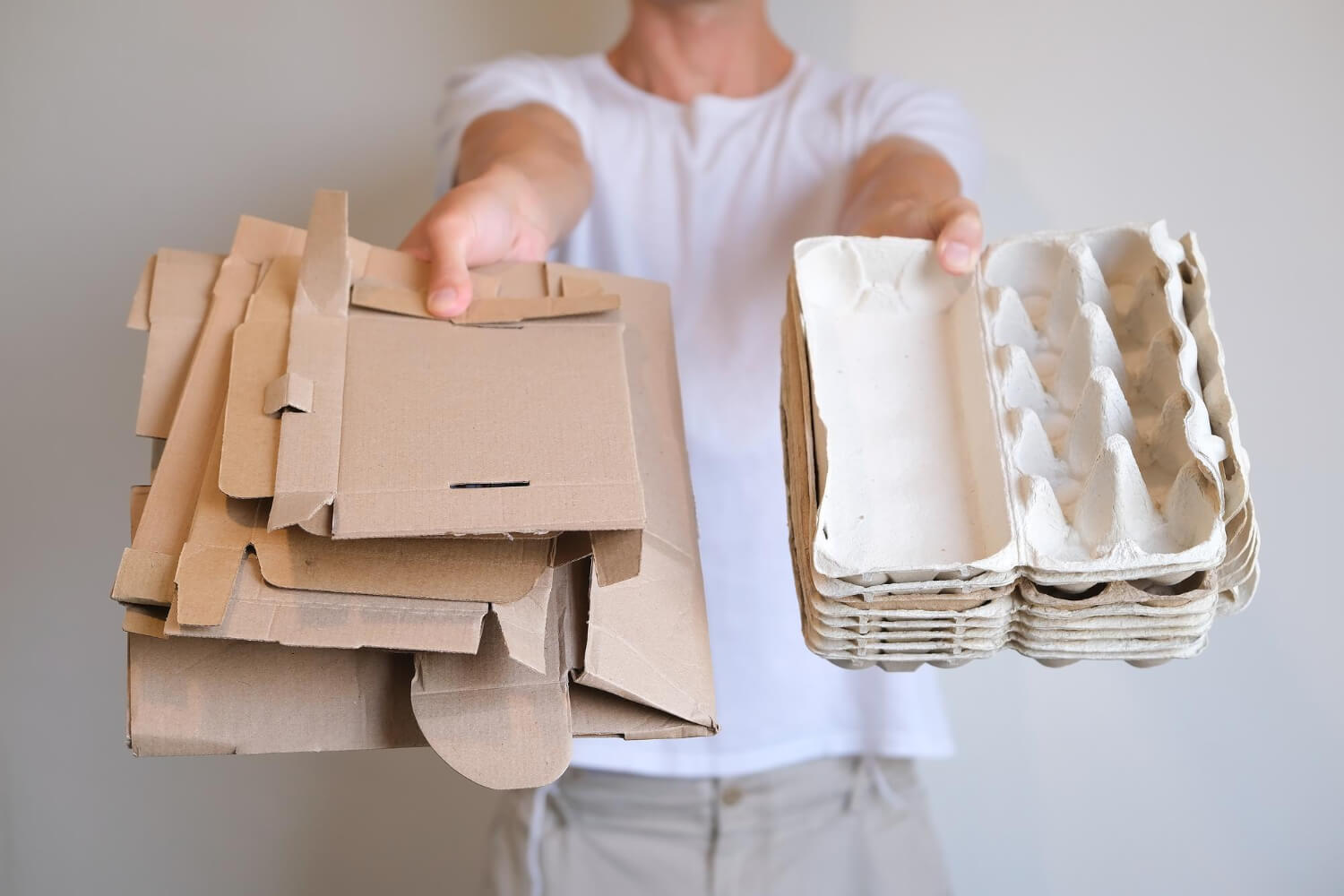
- Poultry Sector: Egg cartons and trays designed to offer superior shock absorption, ensuring product protection throughout the supply chain.
- Agricultural Sector: Trays for fruits and vegetables (such as avocados and small fruits) that preserve freshness, ease transpiration, and follow the sustainability policies of modern supermarkets.
- Food Service (BioPack Seal): Solutions for takeaway foods that are resistant, waterproof, and safe. The BioPack seal names products made from plant fibers capable of handling fatty or moist foods without losing structural integrity.
- Industrial and Beverages: Custom packaging for delicate electronic components, machinery, and wine bottles, aligning physical protection with customers’ corporate sustainability goals.
The Global Partnership for Action on Plastics (GPAP) and Global Governance
The transition to a plastic pollution-free model cannot rely solely on technological innovation; it requires global political and business coordination. The Global Partnership for Action on Plastics (GPAP), an initiative of the World Economic Forum launched in 2018, acts as the leading platform for translating global commitments into concrete national actions.
By 2025, the GPAP has reached a significant milestone by setting up 25 National Plastic Action Partnerships (NPAPs) in countries across Asia, Africa, and Latin America. These multi-stakeholder platforms bring together governments, global corporations, and civil society organizations to design “National Action Roadmaps” based on scientific data and gap analysis.
The Impact of NPAPs in Figures (2025)
- Population Reach: The 25 NPAPs drive systemic changes for more than 1.5 billion people worldwide.
- Capital Mobilization: More than $3.34 billion in direct investments have been mobilized for waste management infrastructure and circular business models.
- Social Inclusion: The GPAP model emphasizes gender equity and improving livelihoods for informal workers in the waste sector by integrating them into the formal green economy.
In Latin America, Guatemala’s recent incorporation in January 2025 marks a critical step forward. The country faces monumental challenges with the Motagua River, which contributes approximately 2% of all plastic entering the world’s oceans each year. The NPAP Guatemala, led by the Ministry of Environment and Natural Resources (MARN), is coordinating efforts to implement infrastructure solutions, such as river barriers and solid waste treatment plants, financed in part by a $250 million loan from the Inter-American Development Bank.
Synergies between Sustainable Materials and Circularity Policies
The convergence of materials technology and public policy is creating an ecosystem conducive to change. Industry trends for 2025 show that the use of recycled plastic or alternative materials is no longer optional, but rather a strategic necessity driven by Extended Producer Responsibility (EPR) regulations. Under this framework, manufacturers are financially responsible for the entire life cycle of their packaging, creating a direct economic incentive to adopt solutions such as those offered by Molpack.
Furthermore, traceability through digital tools such as blockchain is enabling companies to prove compliance with sustainability standards to consumers and investors. In this environment, Molpack’s molded pulp offers a unique competitive advantage: it is a material that does not need to be “rescued” from the environment through costly processes, as its intrinsic biodegradability makes it compatible with the terrestrial carbon cycle.
Future Challenges and the Path to 2050
Despite progress, significant obstacles stay. An estimated 2.7 billion people still lack formal waste collection, and the investment gap needed to close the plastics loop globally is massive. However, the UNEP report “Global Waste Management Outlook 2024” suggests that a fully circular economy could generate a net benefit of $108.5 billion annually by 2050, compared to the catastrophic cost of $640.3 billion if the current model continues.
Decarbonizing the plastics industry is another urgent priority. Currently, plastic production contributes significantly to climate change; by 2040, the sector is expected to emit 2.8 gigatons of CO2 equivalent per year. Solutions such as DePoly, which reduces emissions by 66%, and Molpack’s use of recycled fibers are essential to achieving the goals of the Paris Agreement and decoupling economic growth from the consumption of virgin resources.
The Vision of Leaders of Change
Samantha Anderson, CEO of DePoly, stresses that the urgency to act is immediate: “We need to limit the amount of oil we use to produce consumer goods… we need to recycle everything we have produced and continue to produce.” Her approach is not only environmental, but pragmatic, looking to make the circular economy “economically efficient and easily scalable.”
For its part, Molpack’s commitment under the slogan “Building a clean planet, one package at a time” reflects a philosophy of direct positive impact on communities. By processing thousands of tons of recycled paper each year, Molpack not only prevents this waste from ending up in landfills but also creates a value-added product that protects food safety and industrial integrity in the region.
Strategic Conclusions and Recommendations
A thorough analysis of current data and trends leads to the conclusion that the solution to the plastic crisis does not lie in a single technology, but rather in the integration of three fundamental pillars:
- Smart Material Replacement: The transition to plant-based fiber packaging, such as Molpack’s molded pulp, should be the norm for single-use applications where plastic is unnecessary or harmful. This eliminates microplastic generation at the source.
- Molecular Chemical Circularity: For plastics that are indispensable in sectors such as medicine, construction, and electronics, technologies such as DePoly’s must be scaled up industrially to ensure that the polymer never becomes waste but instead returns perpetually to the production chain as virgin raw material.
- Governance and Multilateral Action: Companies should align with global frameworks such as the GPAP and take part in local NPAPs to coordinate their infrastructure investments and ensure that solutions are inclusive and fair.
The year 2025 is the “moment of truth” for oceans and terrestrial ecosystems. The technology for a real alternative to the current imperfect recycling system already exists. The responsibility now lies with businesses, governments, and consumers to adopt these innovations and radically transform our relationship with materials, ensuring a future where packaging protects both the product and the planet.
SOURCE: World Economic Forum