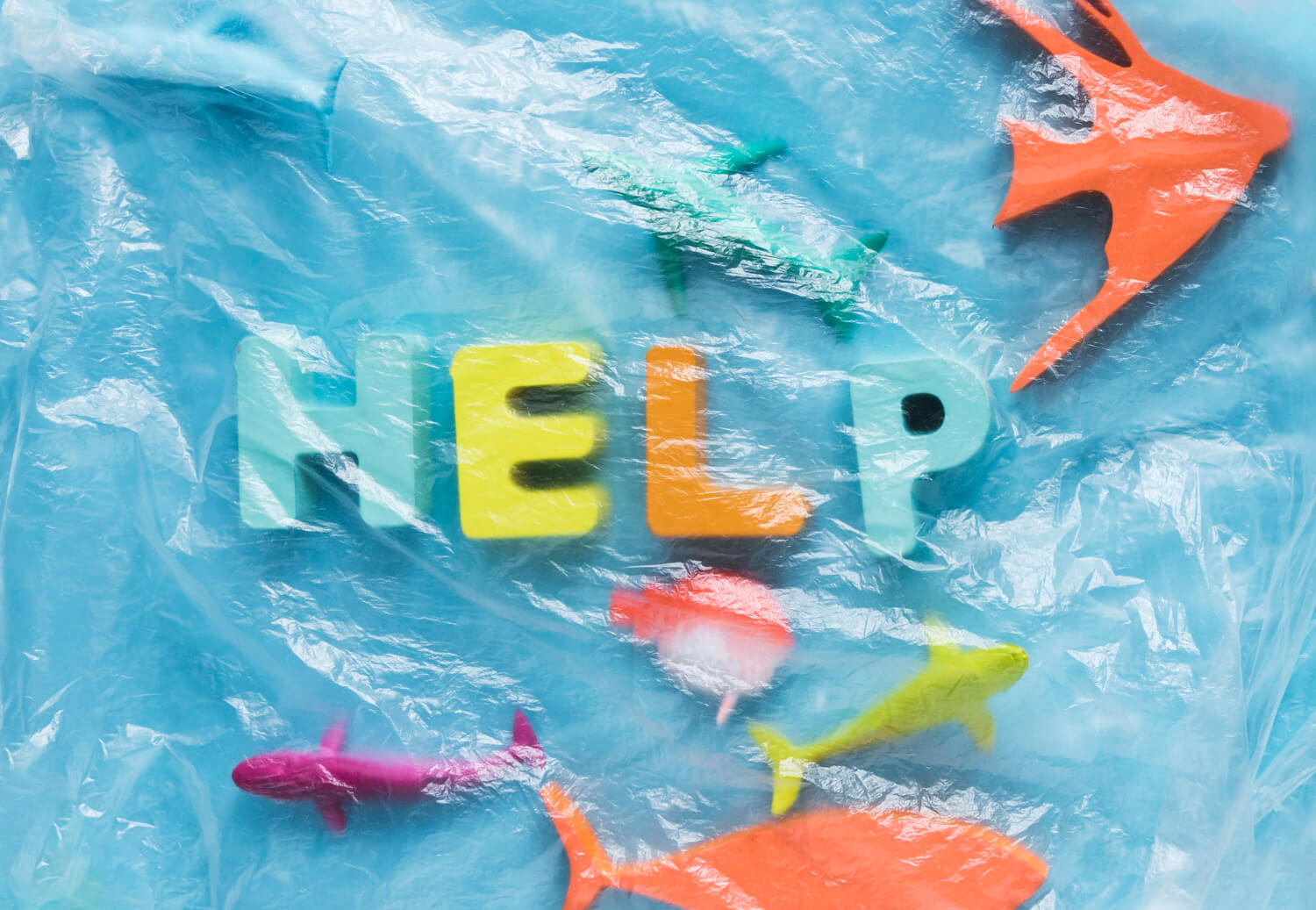
The recent report *Plastic Pollution and Biodiversity: A Global Overview*, published by the World Economic Forum (WEF) and the Global Partnership for Action on Plastics (GPAP), reveals a stark reality: plastic pollution is no longer just a waste management challenge, but one of the five greatest direct threats to biodiversity and global economic stability.
Every year, more than 130 million metric tons of plastic waste end up in the natural environment. Unless urgent action is taken, this figure could more than double by 2040—which would be equivalent to dumping the contents of a garbage truck into the environment every second.
At Molpack Corporation, we reaffirm our commitment to developing sustainable and circular packaging. We analyze the key findings of this study and explain why a transformation in packaging design is essential to protecting our ecosystems.
The True Cost of Plastic in Nature
The WEF report highlights that plastic impacts biodiversity in three keyways:
- Physical harm and ingestion: More than 4,000 marine and terrestrial species are negatively affected by plastic. From turtles and birds to large marine mammals, ingestion and entanglement cause suffocation, injury, and death.
- Degradation of key habitats: Plastic trapped in coral reefs increases the risk of disease in these vital structures by up to 20 times. It also suffocates the roots of mangroves, ecosystems capable of storing four times more carbon per hectare than tropical forests.
- Chemical and soil pollution: The degradation of plastic generates microplastics that alter the fertility of agricultural soils, reducing crop yields by 5% to 15% and entering the food chain. This environmental degradation has direct economic consequences. The loss of marine ecosystem services due to plastic results in costs ranging from 500,000 million to 2.5 trillion dollars annually, affecting crucial industries such as fishing, agriculture, and coastal tourism.
Why Recycling Is Not Enough: The Solution Lies upon the origin (Upstream)
Historically, the focus has been on recycling and waste cleanup (downstream). However, only 10% of all plastic ever manufactured has been recycled, while 91% ends up being incinerated, buried, or dumped into the environment. This stands for a loss of between $80 billion and $120 billion annually in the value of single-use packaging that is discarded after sole use.
The WEF study emphasizes that the real solution requires intervention in the first stages of the value chain:
Elimination and Reduction: Reducing the production of unnecessary plastics and replacing single-use materials with truly compostable and biodegradable alternatives can cut waste generation in half by 2040.
Sustainable Redesign: Adopt circular economy models in which packaging does not contribute to toxic persistence in the environment or harm wildlife.
Our Commitment at Molpack Corporation
As leaders in the manufacture of eco-friendly and sustainable packaging solutions, we at Molpack Corporation understand that innovation in materials is the most powerful tool for halting the loss of biodiversity.
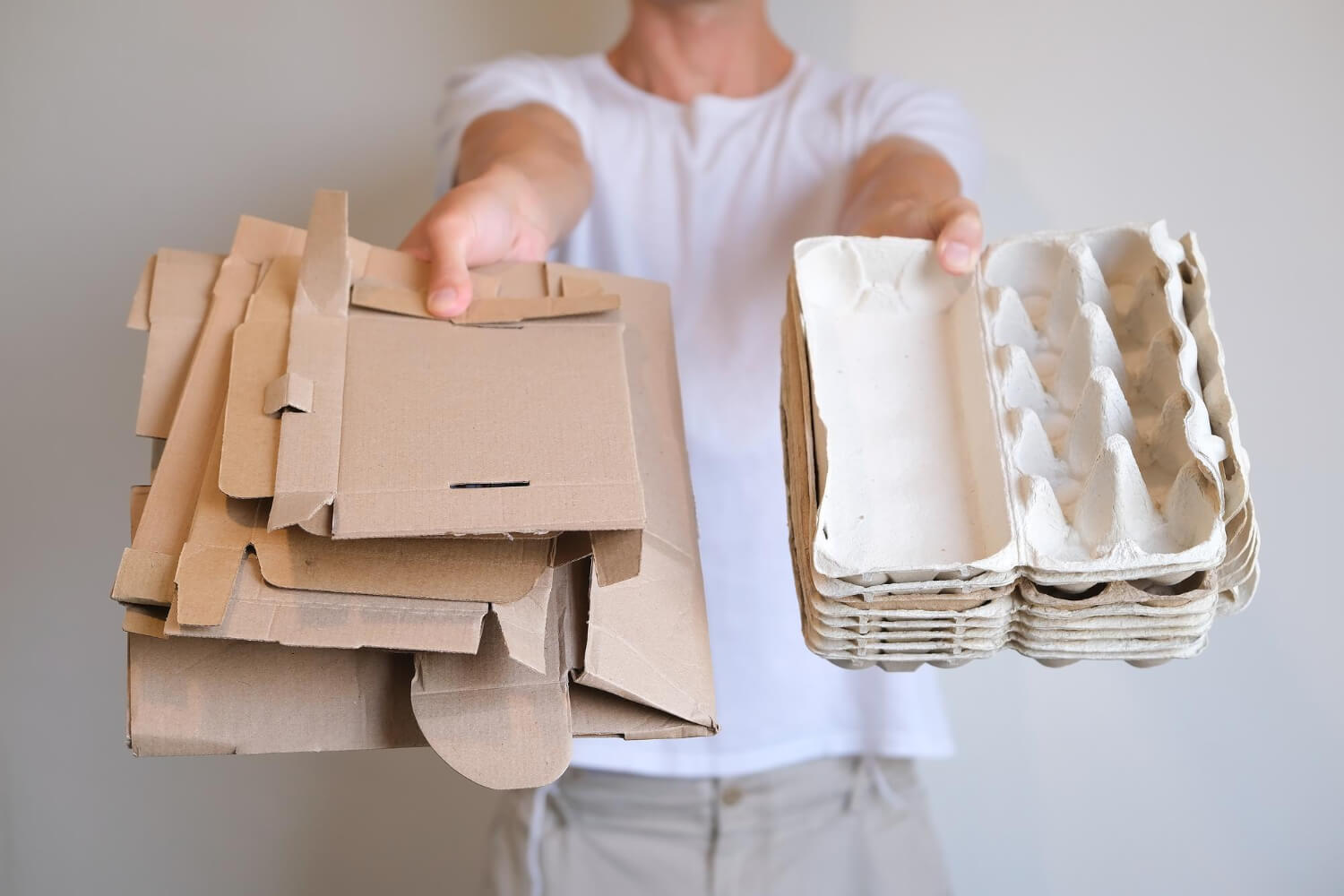
Our molded fiber and biodegradable cellulose solutions offer an efficient, functional, and 100% eco-friendly alternative. By choosing compostable packaging that naturally returns to the earth, we help companies:
· Follow Extended Producer Responsibility (EPR) regulations.
· Mitigate the reputational and transition risks associated with single-use plastic.
· Protect the biodiversity of our coasts, rivers, and soil in the region.
Conclusion: A Call for Joint Action
Tackling plastic pollution and biodiversity loss must be a comprehensive effort. The transition to sustainable packaging not only protects the planet’s natural wealth but also ensures the resilience and viability of businesses in the future. At Molpack Corporation, we continue to promote the circular economy with products that protect your food, your products, and the environment.
Fuente: World Economic Forum (WEF) & Global Plastic Action Partnership (GPAP), 2026