
The forthcoming INC-5.2 conference aims to finalize a legally binding global treaty to end plastic pollution, addressing the full lifecycle of plastics from design to disposal.
The treaty is vital when global plastic waste is expected to reach 1.7 billion metric tons by 2060, costing a cumulative $281 trillion by some estimates.
The Global Plastic Action Partnership, an initiative of the World Economic Forum, serves as a convening force for action on plastic pollution and guides countries in turning global commitments into impact.
What is INC-5.2?
In 2022, the UN Environment Assembly, in its 5th session, adopted a historic resolution to create a legally binding treaty to end plastic pollution.
The resolution mandated the UN Environment Programme Executive Director to convene an International Negotiating Committee (INC) to develop and adopt an international legally binding instrument (ILBI) based on a comprehensive approach that addresses the full life cycle of plastics. This means not only looking at its disposal and waste management but starting with plastic design, production, and consumption.
What can we expect from INC-5.2?
Since its start in 2022, the INC has met five times, most recently in Busan, South Korea, in 2024. This meeting was meant to be the last and end with a treaty adoption.
However, negotiations could not fully resolve several key issues, including whether the treaty should focus solely on plastic waste reduction or address the entire plastic lifecycle (from design to the phasing out of harmful chemicals). Other key issues include the production of primary polymers and financing support to implement the treaty.
At the forthcoming meeting – titled 5.2 – INC aims to resolve these issues and finalize the treaty based on the current ‘Chair’s Text’ of the treaty. Finance will also be a focus, with discussions on a robust framework and means to implement the future treaties.
What impact does plastic waste have on the environment?
The Forum’s Global Risks Report 2025 ranks pollution among the 10 risks with the most severe expected impact over the next decade.
Plastic pollution is the main culprit. Land, rivers, coastlines and marine habitats are increasingly affected by the impact of plastic pollutants. The Organization for Economic Co-operation and Development estimates that, in 2025, there will be over 1 billion tonnes of plastic waste in the world, rising to 1.7 billion by 2060.
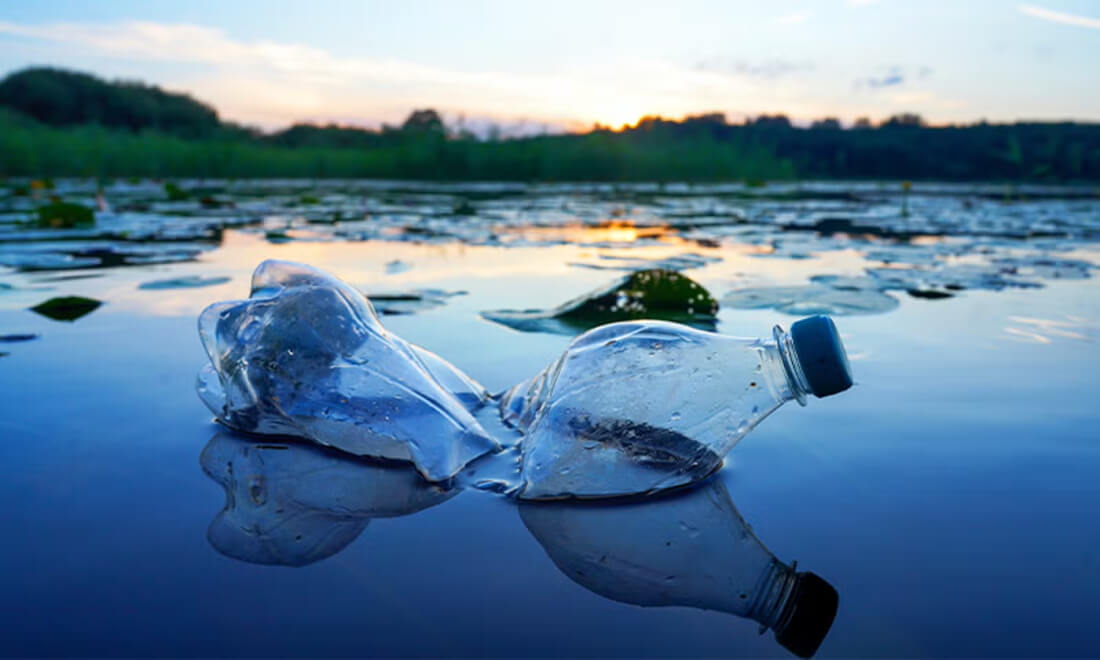
Plastic pollution comes from single-use products, ranging from bottles and caps to shopping bags, drinking cups and straws, according to the International Union for Conservation of Nature (IUCN).
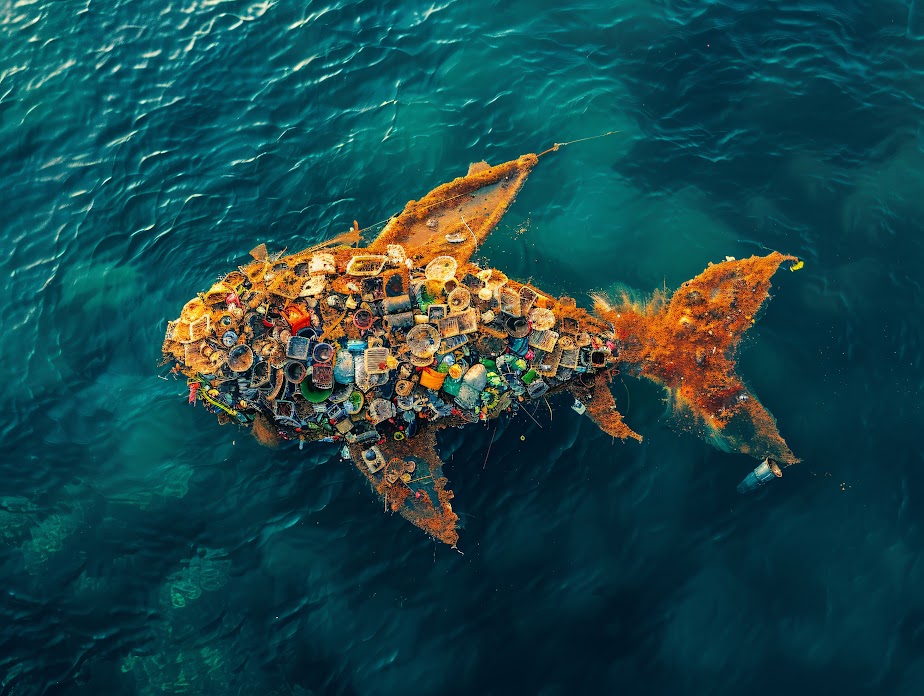
Littering, industrial activities, construction and agriculture are the main sources of land-based pollution, often spread by urban and stormwater runoff. Land runoff is the biggest source of marine plastics pollution, with microplastics making up a major share of this. Microplastics can be particles manufactured to a small size or the result of larger plastic objects degrading. Some estimates suggest that more than 90% of plastics in the oceans are microplastics.
Plastic pollution is a major driver of biodiversity loss and ecosystem degradation, contributing to climate change. Plastics production, use and waste management account for around 4% of greenhouse gas emissions globally. It also affects human health as microplastics increasingly enter our food chain.
Why is the global plastics treaty important?
The cumulative cost of the damage inflicted by plastic pollutants runs to an estimated $281 trillion for the period between 2016-2040.
Establishing circular economies through reuse and recycling will be vital for a global plastics treaty. Another focus will be reducing plastics’ environmental impact and designing alternatives for products and packaging.
Regulations and targets should be inclusive, as many nations lack the infrastructure to process plastic waste, as the IUCN has pointed out. Transboundary production and consumption patterns often result in plastics ending up in areas with inadequate infrastructure for processing.
Several countries have already banned or restricted the use of single-use plastics. However, wider global action is needed to tackle the issue of plastic pollution comprehensively and proactively, rather than relying on a fragmented network of regulatory ‘islands’ around the world.
Global targets and initiatives need to be matched with in-country action plans tailored to each country concerned, the World Economic Forum’s Global Plastic Action Partnership (GPAP) states. GPAP acts as a convening force for driving meaningful action against plastic pollution. Along with other organizations, it is working to provide expert guidance and assistance to help turn a forthcoming treaty into effective local action.
SOURCE: World Economic Forum