Living, healthy oceans that are open to technology and resilient is the goal of COP30, where the international community, somewhere between hopeful and skeptical, faces a triple challenge: integrating marine conservation into national policies, curbing pollution, and promoting ocean science to protect the planet’s blue lung.
This COP30 in Belém (Brazil) represents an “opportunity” to incorporate marine conservation into national climate action policies, according to the United Nations, and to this end, in Brazil, the oceans, responsible for producing at least 50% of the planet’s oxygen, will see the development of the “Blue NDC Challenge.”
This is an international initiative, to which several countries have committed, to incorporate ocean solutions into their Nationally Determined Contributions (NDCs) as required by the Paris Agreement.
This challenge highlights the “urgency” of recognizing the central role of the ocean as an ally in the face of the climate crisis, through the restoration of coastal ecosystems, marine spatial planning, the phasing out of fossil fuels at sea, and the expansion of clean ocean energy, among other objectives.
Brazil’s coastline, stretching almost 7,500 km, is the sixteenth longest in the world, bathed exclusively by the Atlantic Ocean, and where accelerated coastal erosion, pollution from plastics and other waste, and pollution from oil spills and the sinking of ships carrying toxic materials are among the biggest problems it faces.
But progress in saving the oceans must include “science-based solutions” with mitigation commitments, decarbonizing maritime and port activities, and promoting a low-emission blue economy, as well as policies that ensure “scientific knowledge” for all stakeholders.
State of the oceans, protection standards, and marine reserves
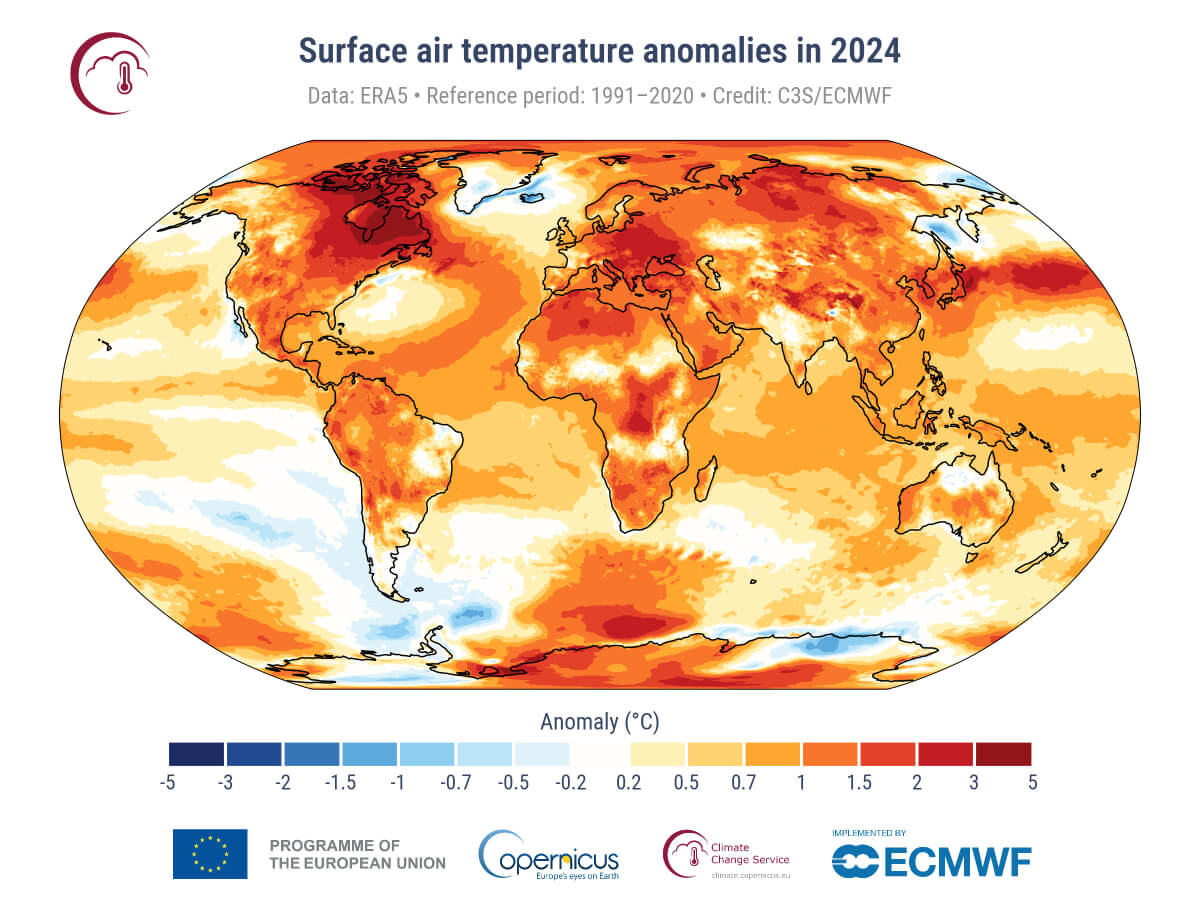
For decades, the ocean has been a key ally in moderating the effects of climate change, but today it is undergoing a profound crisis: eutrophication, acidification, warming waters, and plastic pollution are rapidly deteriorating its health.
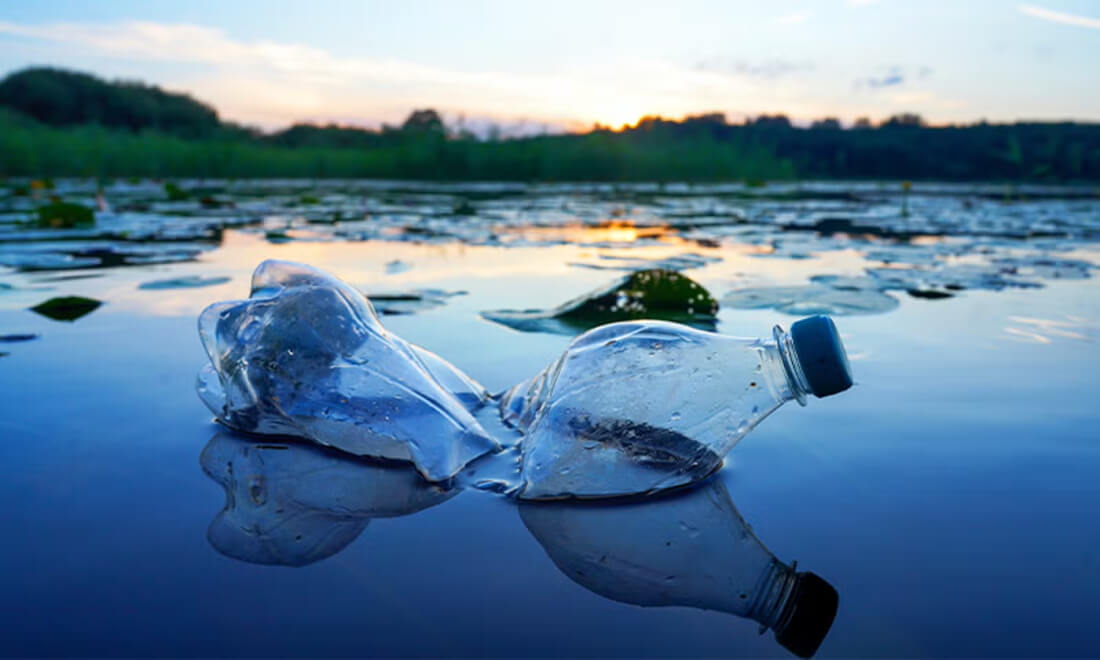
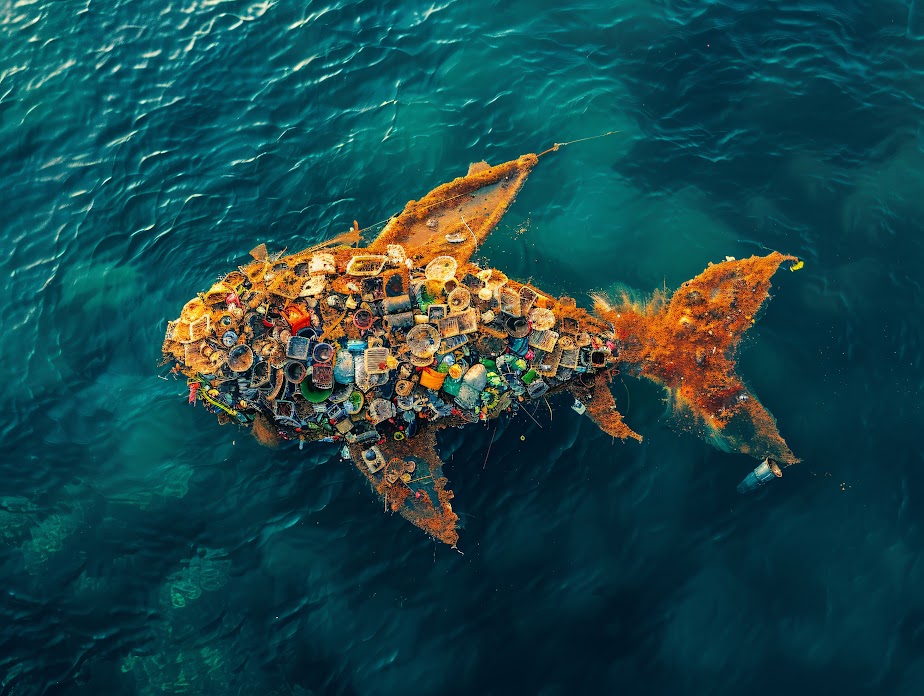
According to the United Nations Environment Programme (UNEP), plastic accounts for 85% of the waste that ends up in the oceans, and by 2040 the volume of this material flowing into the sea will almost triple, with an annual amount of between 23 and 37 million tons, or around 50 kg of plastic per meter of coastline worldwide.
At COP30, it will be essential not only to discuss solutions, but also to ensure greater investment in ocean science to better understand and address the changes affecting the ocean and the global climate.
Key developments in 2025
Last September, the High Seas Treaty (BBNJ), “Agreement under the United Nations Convention on the Law of the Sea on the Conservation and Sustainable Use of Marine Biological Diversity in Areas Beyond National Jurisdiction,” has now reached sufficient ratifications for its entry into force, approximately in January 2026.
The agreement—also known as the “high seas treaty”—covers two-thirds of the world’s ocean area beyond national boundaries and establishes legally binding rules to conserve and sustainably use marine biodiversity, share the benefits of marine genetic resources more equitably, create protected areas, and strengthen scientific cooperation.
The Agreement is based on the United Nations Convention on the Law of the Sea, considered the “constitution of the oceans.”
Once the high seas treaty enters into force in January 2026, it will provide a global framework to help achieve international biodiversity targets, including the commitment to protect 30% of terrestrial and marine areas by 2030 under the Kunming-Montreal Global Biodiversity Framework.
SOURCES:
EFE
EL NACIONAL